
How US trade and industrial policy is rewiring clean energy supply chains
- 29 April
Tariffs and the One Big Beautiful Bill Act have set a major supply chain realignment in motion for the US clean energy industry, with the aim of reducing reliance on China. Short-term strategies to secure alternative supplies are needed – but long-term solutions to advance lasting partnerships and technological innovation are even more crucial
In this bundle
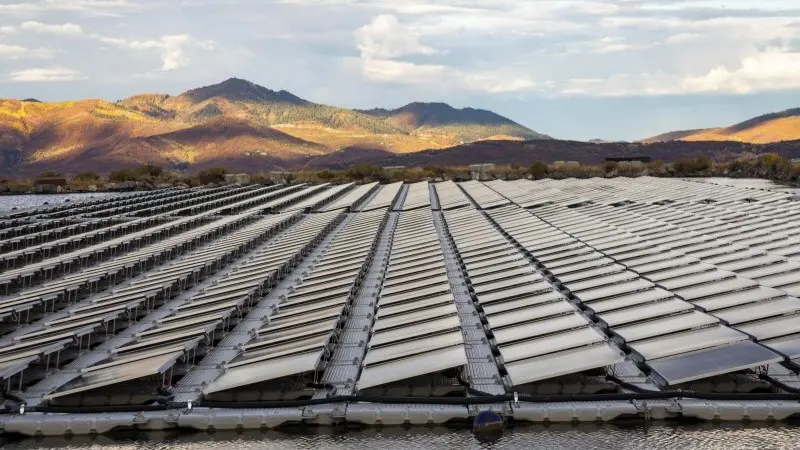
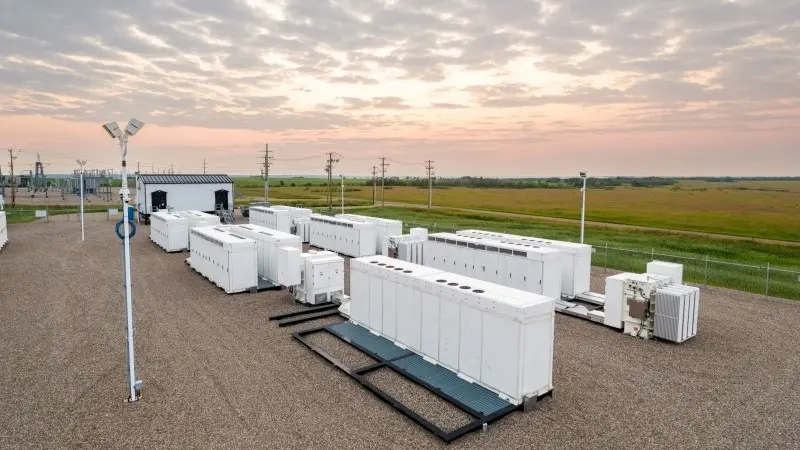
US solar and battery developers have long relied on low-cost imports from China, which controls over 80% of global clean manufacturing.
Now, the Trump administration is pushing harder than its predecessors to reverse that dependence and reshore manufacturing to the US. Two impactful policy avenues have emerged: expanded tariffs and tighter foreign entity of concern (FEOC) restrictions tied to tax credit eligibility under the One Big Beautiful Bill Act (OBBBA).
These create both risks and opportunities. As the US struggles to reduce its reliance on China, the availability of cheap or tax credit‑eligible imports is expected to decline. Cost pressure is therefore on the rise, derived from sourcing challenges and the need to verify FEOC compliance. All of this would add complexity to project development and financing.
In the meantime, these policies favour US manufacturers that already have – or can build – a domestic supply chain. This can be achieved either by owning technologies that support vertical integration (e.g., First Solar’s thin‑film panels) or by forming partnerships across different stages of the supply chain (e.g., the Corning-Suniva-Heliene partnership). Developers, in turn, are encouraged to pursue supply chain partnerships that offer long-term resilience to policy shifts.
In these articles, we examine how the solar and battery storage supply chains are evolving as the industry adapts to these policy changes.
Content Disclaimer
This publication has been prepared by ING solely for information purposes irrespective of a particular user's means, financial situation or investment objectives. The information does not constitute investment recommendation, and nor is it investment, legal or tax advice or an offer or solicitation to purchase or sell any financial instrument.Read more