- Quick take
- 15 April
- Poland
Poland’s March increase in inflation narrowed to fuel prices
The final March CPI reading confirmed the increase in Poland to 3.0% year-on-year from 2.1% in February. The increase was limited to more expensive gasoline and diesel, while price pressures in other categories were benign. The MPC may keep rates on hold, observing how the inflationary picture evolves ahead
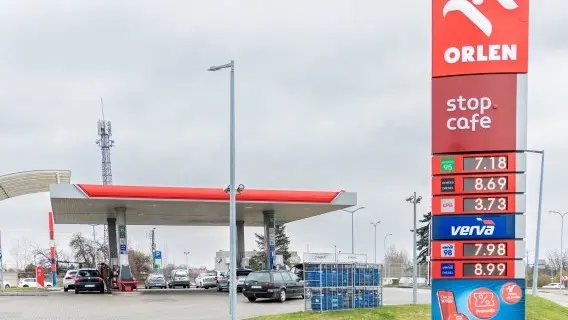

The final reading confirmed the flash estimate of March CPI inflation at 3.0% YoY. According to official data, fuel prices for transport rose by 15.4% month-on-month, slightly less than estimated on the basis of high‑frequency data used by analysts. At the same time, prices of food and energy for housing were unchanged compared with February. The stability of food prices was supported by month‑on‑month declines in dairy products and vegetable prices. In the housing energy category, natural gas prices for household heating fell.
The first weeks of the conflict in the Middle East did not translate into broader upward pressure on prices, except for fuels and directly-related services such as air fares. Core inflation excluding food and energy likely edged up to 2.6% year-on-year from 2.5% in the previous month. A noticeable increase in annual inflation was recorded in the “recreation, sport and culture” category, reflecting a low base effect from March 2025.
The March CPI data mark the beginning of an energy shock and primarily reflect the initial response of petroleum prices. There was no visible impact on other goods and services. Upward pressure from petrol and diesel prices is being partially offset by government intervention in the form of reduced excise duty and VAT on petroleum products, as well as daily administered price caps at fuel stations. Price increases in other energy sources, such as natural gas and coal, remain well below the levels observed in 2022.
Our baseline scenario assumes that consumer inflation will continue to rise in the coming months, albeit at a moderate pace. In the second half of the year, we expect headline inflation to hover around the upper bound of the National Bank of Poland’s tolerance band (2.5% ±1 percentage point). For this scenario to materialise, the United States and Iran would need to reach some form of agreement allowing for the reopening of the Strait of Hormuz.
At present, the shock is predominantly supply‑side in nature, and the Monetary Policy Council (MPC) does not need to raise interest rates. Key to future monetary policy decisions will be the behaviour of core inflation and any potential spillover of inflationary pressures to goods other than fuels. We expect the NBP’s main policy rate to remain at 3.75% until the end of the year, and the Council appears more inclined to resume interest‑rate cuts than to raise rates.
Content Disclaimer
This publication has been prepared by ING solely for information purposes irrespective of a particular user's means, financial situation or investment objectives. The information does not constitute investment recommendation, and nor is it investment, legal or tax advice or an offer or solicitation to purchase or sell any financial instrument.Read more