The Commodities Feed: Oil declines as Strait of Hormuz begins to normalise
- 19 June
- Commodities daily
Oil prices are on track for a sharp weekly decline, as shipping flows through the Strait of Hormuz begin to normalise and disruption concerns ease


Energy - Oil falls on expectations of supply normalisation
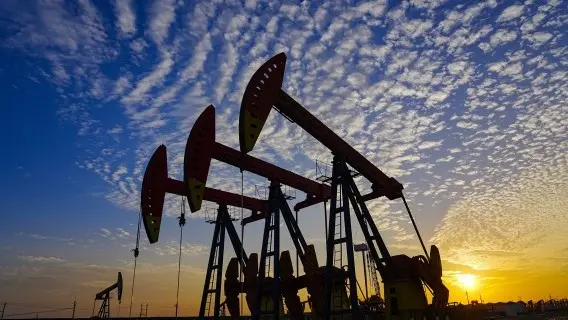
Oil prices are on track for a weekly decline, with NYMEX WTI down more than 10% versus last week’s close. The move follows the start of normalisation in shipping through the Strait of Hormuz, easing what had been the largest recent disruption to global crude flows. Tankers previously stranded are resuming transit, with around 10m barrels exiting or moving through the strait. This remains below typical flows of around 20m b/d, but the gap should narrow quickly as production recovers. Kuwait is already signalling a gradual restart.
At the same time, OPEC’s latest World Oil Outlook maintains a constructive long-term demand outlook, driven by growth in Asia, the Middle East, Africa, and Latin America. And an expected balance among energy security, affordability, and climate goals. This contrasts with the International Energy Agency’s view, which points to an eventual decline in global oil demand.
Refined product data from Insights Global shows ARA stocks fell by 36kt week-on-week to 4.5mt (week ending 18 June). Gasoline led declines, down 97kt to 1.04mt and remaining below the five-year average. This was partly offset by builds elsewhere: gasoil (+23kt to 1.8mt), jet fuel (+12kt to 547kt), naphtha (+17kt to 469kt, highest since April), and fuel oil (+9kt to 582kt). Concerns around summer supply availability persist.
In Singapore, total product inventories rose by 850k barrels to 35.3m, driven by builds in middle distillates and residual fuels, while light distillates fell by 633k barrels.
In gas, Henry Hub futures rose 2.8% after the Energy Information Administration reported a smaller-than-expected storage build of 73bcf (vs. 78bcf expected). Inventories stand at 2.76tcf, slightly below last year but above the five-year average. Stronger LNG exports are tightening domestic balances, although higher production continues to cap upside.
Metals - Copper under pressure
LME copper prices fell around 1% yesterday, reversing earlier gains after Fed Chair Kevin Warsh signalled a more hawkish stance. Markets now fully price in a 25bp rate hike by October, with tighter policy expectations offsetting the earlier risk-on move following the US–Iran interim agreement. Higher rates weigh on copper through a stronger dollar and higher financing costs.
Market participants are also awaiting President Donald Trump’s decision on potential tariffs on refined copper. They could reshape trade flows, shift inventories, and widen regional price differentials.
Precious metals extended losses, with gold and silver down more than 3% and 10%, respectively, over the past two days. Spot gold is holding near $4,130/oz, while silver remains below $64/oz, both pressured by the Fed’s hawkish shift. Higher rate expectations continue to weigh on non-yielding assets via a stronger dollar and higher opportunity costs.
Agriculture - Cocoa prices slump on weaker demand
Cocoa prices came under pressure, with New York futures falling up to 4%. This was driven by a stronger US dollar and rising US inventories, signalling softer demand. ICE-certified stocks at US ports rose by 31.8k bags for a ninth consecutive session to 575k bags (as of 17 June). The stronger dollar added further downside by making cocoa more expensive for non-US buyers.
US soybean export sales rose to 729kt (week ending 11 June), up from 352.8kt the previous week and above expectations, supported by potential Chinese demand. Corn exports reached 1,676kt, down week-on-week but still above expectations and last year’s levels. US wheat shipments came in at 427.7kt, lower than the previous week but slightly ahead of expectations and marginally above last year.
Content Disclaimer
This publication has been prepared by ING solely for information purposes irrespective of a particular user's means, financial situation or investment objectives. The information does not constitute investment recommendation, and nor is it investment, legal or tax advice or an offer or solicitation to purchase or sell any financial instrument.Read more